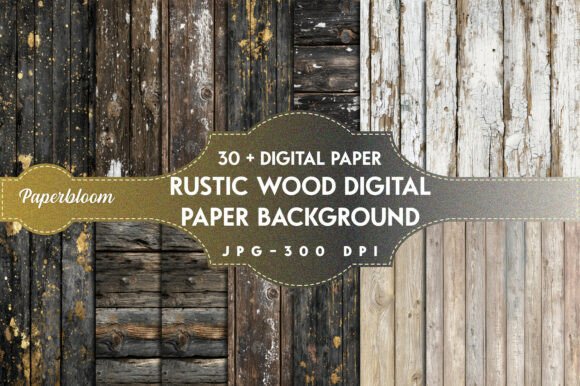
30 Rustic Wood Digital Paper Backgrounds
Rustic wood digital paper backgrounds offer a unique way to bring natural elements into your creative work. These high-resolution textures capture the essence of real wood, providing a rich, authentic look that can elevate any project. Whether you're designing for personal or professional use, these backgrounds add depth and character that are hard to achieve with other materials.
What Are 30 Rustic Wood Digital Paper Backgrounds?
The 30 Rustic Wood Digital Paper Backgrounds pack includes a variety of realistic wood textures in high resolution. Each background is formatted as a JPG file, measuring 12x12 inches at 3600x3600 pixels with a 300 DPI resolution. This ensures clarity and quality, making them suitable for both digital and print applications. The instant digital download means you can start using them right away without waiting for physical delivery.
These backgrounds are designed to be versatile. They can serve as a base for artwork, an overlay for photos, or a backdrop for social media posts. Their natural grain and texture add a warm, organic feel that many designers find appealing.
Why Different Audiences Care About Rustic Wood Backgrounds
For beginners, rustic wood backgrounds can be a great starting point for learning about texture and composition. They provide a visual element that adds interest without requiring advanced design skills. For professionals, these backgrounds offer a reliable resource for branding, marketing materials, and creative projects where authenticity matters.
Entrepreneurs and small business owners may find value in using these backgrounds for packaging, website design, or promotional content. The natural aesthetic can help convey a sense of craftsmanship and quality. Educators might use them in art classes or design workshops to teach students about texture and visual storytelling.
How Different Users Might Use These Backgrounds
Beginners might use the backgrounds as a foundation for simple projects like greeting cards or scrapbook pages. They can experiment with layering and color to see how different textures interact. Experienced users could integrate the backgrounds into more complex designs, such as logos, web layouts, or product mockups.
Creators and artists might use the backgrounds as inspiration for their own work, either by incorporating them directly or by studying their patterns and tones. Marketers could use them to create visually engaging social media posts or email newsletters that stand out in a crowded digital space.
Key Considerations for Different Users
When evaluating whether these backgrounds suit your needs, consider factors like ease of use, quality, and flexibility. For someone new to design, the simplicity of a digital download and ready-to-use files can be a major advantage. For professionals, the high resolution and realistic textures may be essential for maintaining a polished appearance in client work.
Cost is another factor. While the price may seem low compared to physical materials, it's important to assess whether the value aligns with your goals. If you're working on multiple projects, the ability to reuse these backgrounds across different mediums can make them a cost-effective choice.
Practical Examples for Various User Types
A hobbyist might use the backgrounds for DIY photo albums or handmade cards, adding a personal touch to their creations. A blogger could use them as a backdrop for blog headers or social media graphics, giving their content a cohesive and stylish look. A small business owner might apply the backgrounds to packaging or promotional materials, reinforcing a brand identity rooted in nature and authenticity.
For educators, these backgrounds could be used in classroom projects to teach students about design principles and visual elements. They can also serve as a tool for discussing sustainability and the value of natural materials in modern design.
Choosing the Right Background for Your Project
Consider the purpose of your project when selecting a background. If you're creating something for a cozy event, like a wedding or family gathering, a warm, textured wood background could enhance the atmosphere. For a more modern or minimalist design, a lighter or smoother wood texture might be more appropriate.
Think about how the background will interact with other elements in your design. Will it complement the colors and fonts you're using? Will it add depth without overwhelming the overall composition? Testing different options can help you find the best fit for your specific needs.
Long-Term Usefulness and Value
Depending on your workflow, the long-term usefulness of these backgrounds can vary. If you frequently work on projects that benefit from a rustic aesthetic, having a collection of high-quality wood textures can save time and effort. It eliminates the need to search for or create similar backgrounds from scratch.
For those who prioritize creativity, the variety of textures can inspire new ideas and approaches. The ability to mix and match different backgrounds can lead to unique and personalized results that reflect your individual style.