Composition Notebook Background School: A Timeless Touch for Creative Projects
If you're looking to add a touch of classic charm and subtle texture to your creative projects, the Composition Notebook Background School might be just what you need. This high-quality paper background pack is ideal for scrapbooking, journaling, digital design, and more. With its timeless aesthetic, it brings depth and style to any artwork, making it a versatile tool for both beginners and professionals.
What Is Composition Notebook Background School?
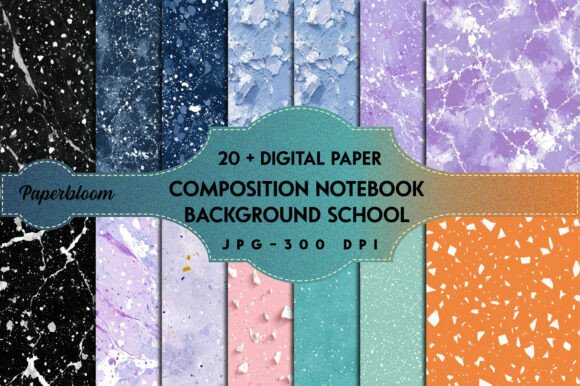
The Composition Notebook Background School refers to a collection of detailed paper backgrounds that mimic the look of traditional composition notebooks. These backgrounds are designed to replicate the texture and appearance of lined or blank paper commonly found in school notebooks. They offer a nostalgic feel while providing a professional finish suitable for a wide range of creative applications.
Each background in the pack is crafted with care, featuring subtle textures that add visual interest without overwhelming the design. The set includes 9 unique backgrounds, all in high-resolution JPG format, making them perfect for use in both digital and physical projects.
Common Mistakes When Using Composition Notebook Background School
While the Composition Notebook Background School can enhance your work, there are several common mistakes that users may make. One of the most frequent errors is not considering the resolution and format of the backgrounds. Some users may download low-resolution files, which can lead to pixelation when printed or scaled up. Always check that the file size matches your project needs—this pack offers 3600×3600 pixels at 300 DPI, ensuring crisp results.
Another mistake is using the backgrounds without adjusting the design elements accordingly. For instance, if you’re creating an invitation or a mockup, the text or graphics may not align well with the paper texture. It’s important to test how the background interacts with other elements before finalizing your project.
Overlooking File Format and Compatibility
Some users overlook the importance of file format when working with Composition Notebook Background School. While JPG is widely supported, it may not be the best choice for projects requiring transparency or high-quality editing. If you're planning to use these backgrounds in graphic design software, consider whether PNG or another format might be more suitable for your workflow.
How to Avoid Common Pitfalls
To get the most out of your Composition Notebook Background School, start by understanding your project requirements. Ask yourself: Will this background be used digitally, printed, or both? Knowing the answer will help you choose the right settings and formats.
Before downloading, verify that the file size and resolution meet your needs. A 12×12 inch background at 300 DPI is ideal for most print projects, but if you're working on a larger canvas, you may need to adjust accordingly. Always preview the background in different sizes to ensure it maintains quality.
Practical Tips for Better Results
One effective approach is to use the Composition Notebook Background School as a base layer in your design. This allows you to add text, images, or other elements on top without the background overpowering the composition. For example, when creating a digital journal page, placing the background behind your handwritten notes can create a cohesive, authentic look.
Another tip is to experiment with color overlays or filters. Adding a slight tint or contrast adjustment can help the background blend better with your overall design. This is especially useful when working on invitations or marketing materials where a specific mood or theme is important.
Testing Before Finalizing
Always test your design with the Composition Notebook Background School before printing or sharing it publicly. Print a small sample to see how the texture and colors appear in real life. This step can save you time and money by catching issues early.
What to Check Before Using Composition Notebook Background School
Before incorporating the Composition Notebook Background School into your work, take a moment to review the following:
- Resolution and Size: Ensure the file dimensions match your project's needs.
- Format: Confirm that the file type (JPG) is compatible with your software or printer.
- Texture and Color: Preview the background to see how it looks with your design elements.
- Usage Rights: Check if the license allows for commercial or personal use, depending on your goals.
These checks can prevent last-minute surprises and ensure your project meets your expectations.
Conclusion: Elevate Your Creative Work with Careful Choices
The Composition Notebook Background School is a valuable resource for anyone looking to add a classic, textured look to their creative projects. By understanding its features and avoiding common mistakes, you can maximize its potential and achieve professional results. Whether you're a hobbyist, designer, or educator, taking the time to evaluate and apply these backgrounds thoughtfully will lead to more satisfying outcomes.
Remember, the key to success lies in preparation, testing, and thoughtful application. With the right approach, the Composition Notebook Background School can become a staple in your creative toolkit, helping you bring a touch of timeless elegance to every project.